
In many rural parts of North Carolina, families face an uphill battle regarding child care. There are long waitlists, long drives, high costs, and not enough options, especially for families who need care close to home or during nontraditional hours. But here’s the good news: parents, daycare teachers, and community caregivers are not only experiencing these challenges—they’re also uniquely positioned to be part of the solution.
The Rural Child Care Crisis—What’s Happening?
Let’s start with the basics: child care in rural communities looks different.
- Fewer options: Many rural towns are “child care deserts”—areas with too many kids and few providers. In fact, 44% of North Carolina’s rural residents live in one.
- Long distances: Licensed centers may be located far from where families live or work.
- Heavy reliance on home-based and informal care: Many families turn to family, friends, or neighbors (FFN) to fill the gap. Nationwide, more than 60% of children are in FFN care.
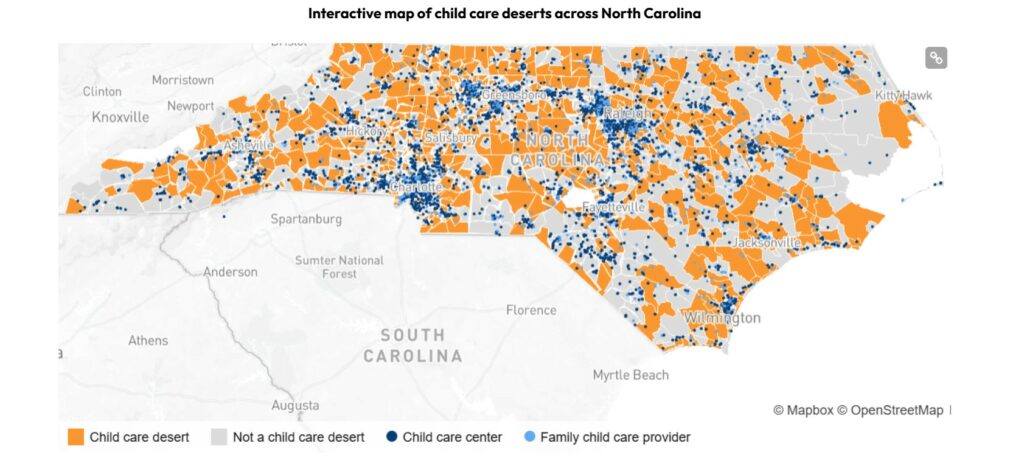
This isn’t just an inconvenience—it’s a crisis that impacts family well-being, workforce participation, and even a child’s long-term development.
Did you know? Among rural parents who aren’t working, 86% say child care responsibilities were part of their decision. And yet, only 26% of those providing care themselves say that’s their preferred choice.
What’s Behind the Problem?
It’s not just about geography. It’s about policy, funding, and the day-to-day realities of running a child care program in a small town.
- Staffing requirements don’t always align with local education levels, making it difficult to hire and retain qualified teachers.
- State reimbursement rates can be lower in rural areas, making it financially harder to open or expand a center.
- Post-pandemic losses have hit rural home-based providers hardest, with closures continuing every year since 2005.
All this means fewer choices for parents and higher pressure on the providers who do remain.
Why Parents and Teachers Matter
As a parent or caregiver, you are the closest witness to the cracks in the system—and one of the most credible messengers when it comes to fixing them. Whether you’re juggling multiple jobs and struggling to find coverage, or you’re a dedicated home-based provider trying to stretch every dollar to serve your community, your perspective matters.
And here’s the thing: decision-makers are listening—but they need your help to truly understand what’s at stake.
Read the full brief on “Strengthening Availability and Access to Child Care in Rural Communities” to learn important data and stats about this issue.
Take Action Today
Here’s how you can help shape the future of child care in North Carolina’s rural communities:
- Educate Yourself and Others: Stay up to date on child care challenges and solutions. Join the NCECF email list to receive advocacy resources and future calls to action. Use what you learn to inform others in your community.
- Engage with Policymakers: Make your voice heard. Reach out to your state legislators with these key talking points:
- Child Care Keeps North Carolina Working. Parents can’t work without child care. Right now, more than five families compete for every available child care spot. This hurts families, businesses, and our economy.
- A $300 Million Investment Pays Off. Investing in child care yields a huge return—up to 9 times more in long-term economic benefits.
- Other States Are Taking Action—We Should Too. States like Michigan and North Dakota are investing in child care to strengthen their workforces. North Carolina must act or risk falling behind.
- Share Your Story: Your experience is powerful. Share how child care access—or lack of it—has affected your job, family, or students. Post on social media, tag your legislators, or submit your story to local media or advocacy campaigns.
Looking Ahead: What’s Next?
Our next brief will spotlight policies that strengthen home-based child care, which remains a lifeline for many rural families. From licensing flexibility to smart quality standards, these solutions aim to preserve—and grow—this essential part of our care system.
In the meantime, let’s keep building momentum. Because when child care works in rural communities, everything else starts to work, too.